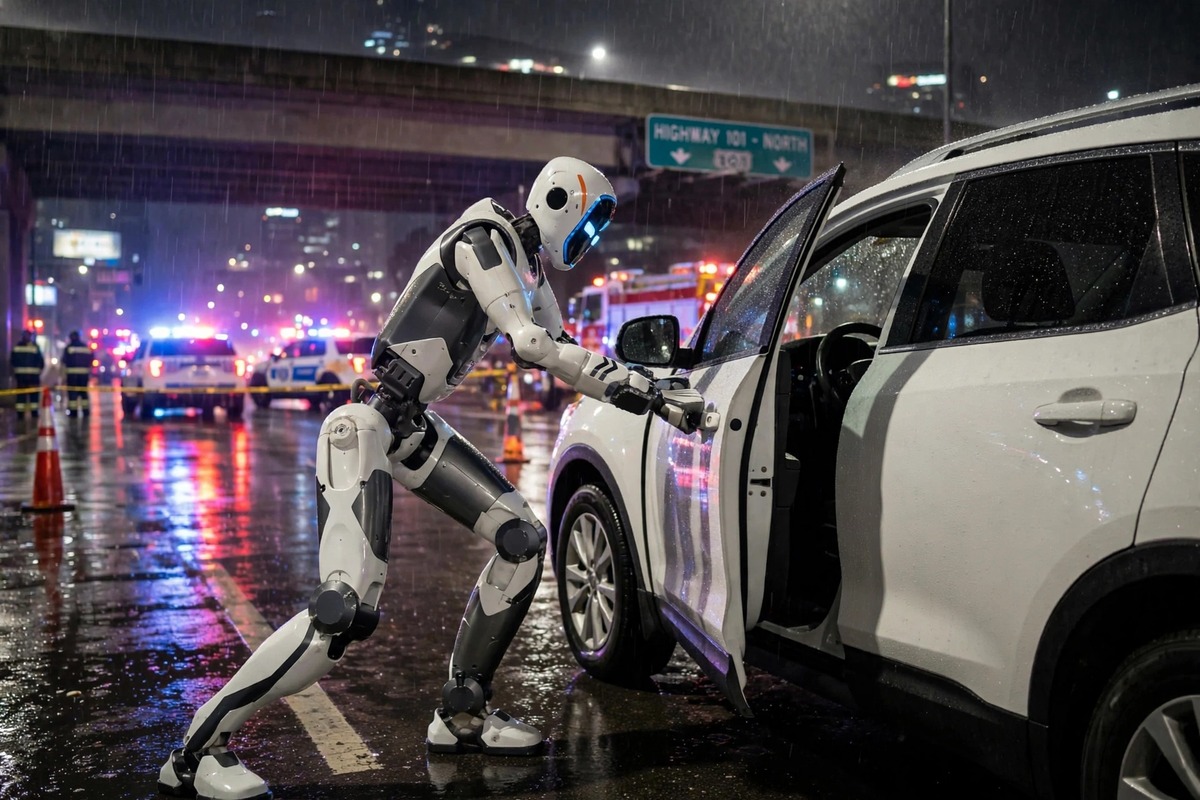
Unitree has unveiled its H2-X humanoid robot in a promotional video that raises fresh questions about how machines built to serve and guard could eventually be used by militaries.
The Chinese robotics company posted the footage Wednesday morning. In its X message, Unitree described the machine as offering “powerful performance to serve and guard you” and gave it an endurance ceiling of about 8 hours. The company also told users to handle it safely and in a friendly way.
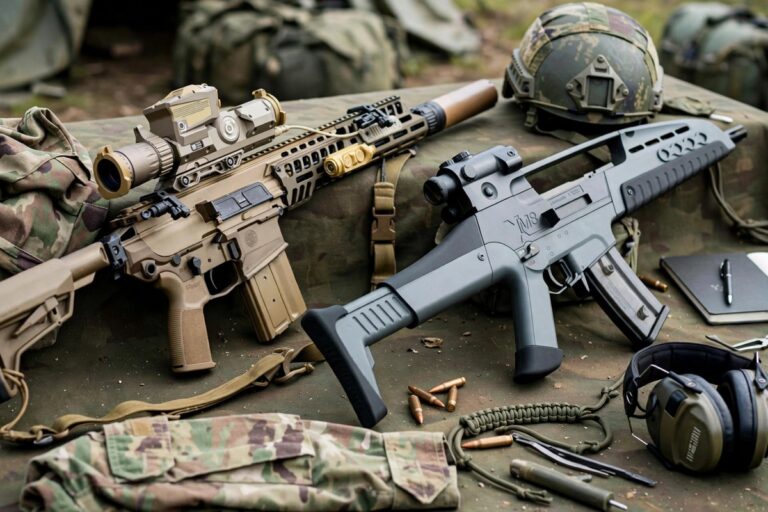
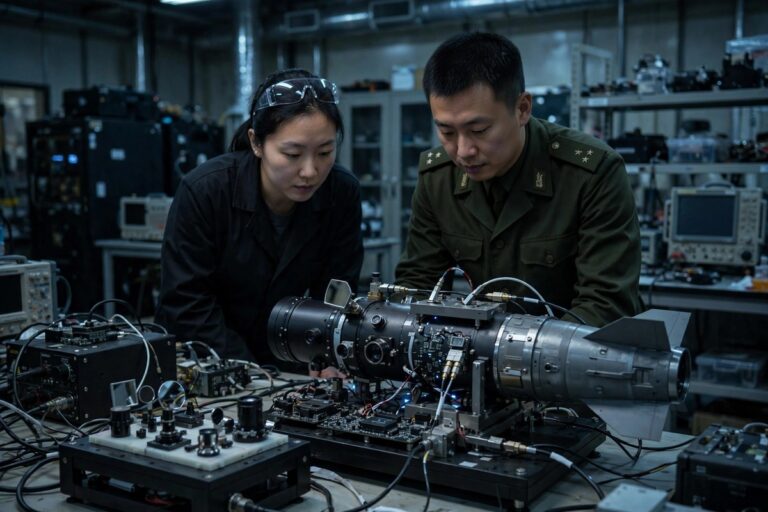
The presentation’s label, “H2-X Kung Fu Legend Guardian,” adds to its cinematic framing. The footage evokes the fictional Terminator and its Skynet machines, but the video itself does not establish that the robot has been deployed in combat. The concern is more specific: capabilities presented for service and guarding might have dual-use military applications, including possible use in active war zones.
Then the Workplace Evidence Widens the Debate
A BTIG note from the prior week adds a second layer to the story. It pointed to signs that humanoid robots are entering practical settings, including manufacturing sites, warehouses, and restaurant work areas. That shifts the conversation beyond a dramatic demo and toward machines being used in everyday operations.
That workplace shift is followed by a more consequential possibility. An assessment in the report suggested that the trend may already be drawing interest from Ukrainian military commanders. It said military testing could already be happening or might begin soon. That wording signals uncertainty, not confirmation of a deployment.
Unitree posted the demonstration on X:
Unitree Introducing: H2-X Kung Fu Legend Guardian🤖
Powerful performance to serve and guard you, with a maximum endurance of approximately 8 hours.
Please use the robot safely and in a friendly manner. pic.twitter.com/5RU5kDzSUK— Unitree (@UnitreeRobotics) October 21, 2026
For now, the clearest confirmed development is a public promotional video. Unitree has shown a humanoid robot it describes in terms of service and guarding, with an endurance limit of about 8 hours. The larger question, left unresolved, is whether the technology will move from workplaces and demonstrations into military testing or deployment in an active war zone.
Why It Matters
The significance goes beyond the robot’s dramatic presentation. A machine described in terms of service, guarding, and endurance sits at the center of a debate about dual-use technology. That debate affects workers who may share spaces with humanoids, decision-makers considering their role in dangerous settings, and people who could be caught up in any future deployment. The available information does not establish that military testing has happened, so the difference between a demonstrated capability, reported interest, and confirmed use remains essential.
Workplace adoption also changes the pace of the discussion. When humanoids appear in factories, warehouses, and food-service settings, questions about safety and control are no longer limited to science-fiction scenarios. At the same time, a service-oriented machine may be viewed differently by a military commander than by a business operator. The open issue is whether the abilities promoted for protection could be adapted for war, and who would decide when that transition is acceptable. The video raises that question clearly, but it does not settle it.
Source: The Liberty Daily