
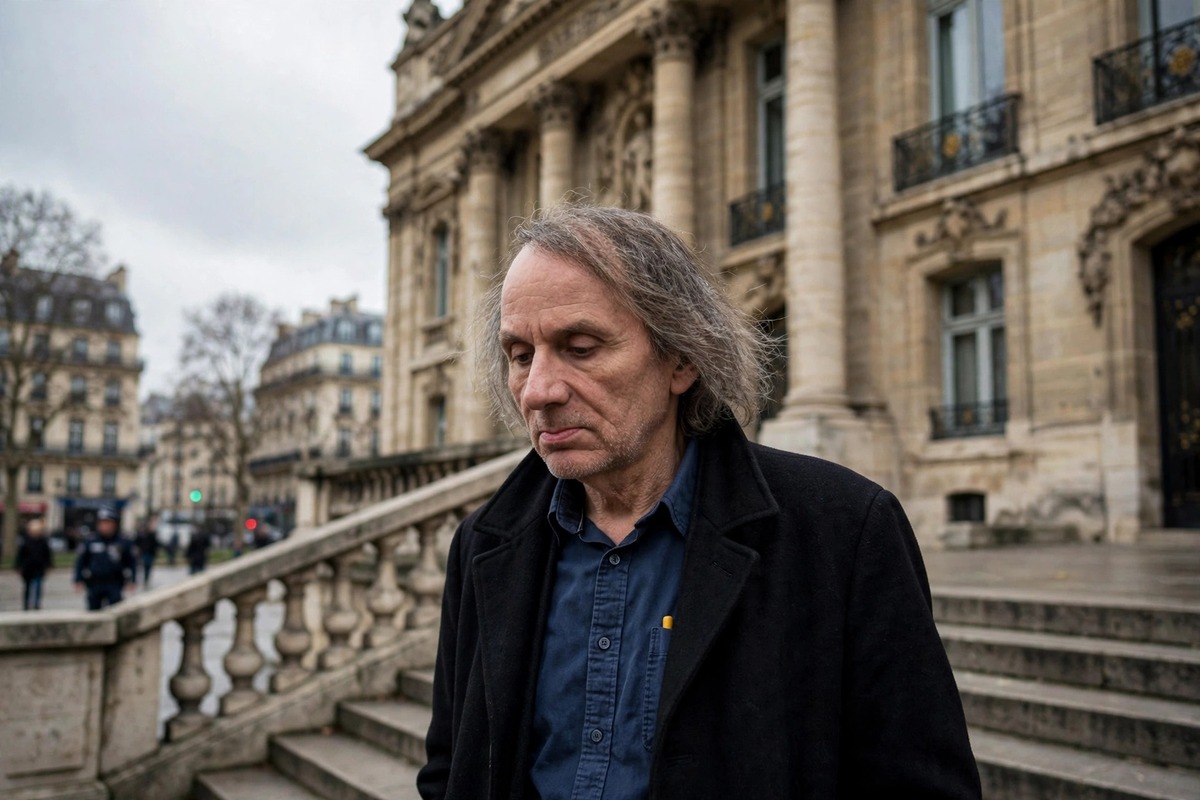
Michel Houellebecq is facing a formal investigation in France after remarks about Islam and Muslim assimilation were treated as possible incitement to discrimination, hatred, or violence.
The Liberty Daily’s report, citing Agence France-Presse, says the controversial writer was placed under investigation Tuesday on suspicion of complicity in those offenses. A dispute over an interview has therefore become a legal fight over the reach of France’s hate-speech rules.
The remarks came from a 2022 interview with Front Populaire. Houellebecq said, “Most French people are not demanding that French Muslims assimilate. They just want them to stop raping, robbing and destroying things. Or, failing that, to leave our country.” That statement, rather than a new incident, is at the center of the case.
The legal complaint began with the Union of Mosques of France. In 2023, the organization lodged a complaint naming both Houellebecq and Front Populaire. The source says the group has ties to the Muslim Brotherhood, an Egyptian-founded organization it describes as seeking sharia law. It also says authorities in several countries have designated some of the Brotherhood’s chapters as terrorist organizations.
A second organization named in the account is the Movement Against Racism and for Friendship Between Peoples, which the source characterizes as a left-wing, anti-racist nongovernmental group. Its involvement gives the case a wider political dimension: critics from different camps are pressing the legal system over speech they view as dangerous or discriminatory.
The report places the investigation against a backdrop of recent protests in France. It describes unrest involving anarchist leftists and Muslim agitators, then argues that officials have targeted people questioning immigration policy instead of those responsible for disorder. That framing is the basis for the article’s broader claim that hate-speech law is being used to silence criticism of borders, assimilation, and Islam.
The article also connects the case to French anthropologist Florence Bergeaud-Blackler. At a Heritage Foundation event called The Forum, she addressed the subject. In a recent Daily Signal piece, she argued that the Muslim Brotherhood has worked through gradual, lawful activity across multiple areas to expand Islamic influence in modern countries. The source treats that idea as context for a legal campaign it says is moving against Houellebecq.
Why It Matters
The significance of this case goes beyond one writer’s language. A formal investigation can make people reconsider what they say about religion, immigration, assimilation, and public safety, even before a court reaches a final decision. That creates a free-speech concern because legal pressure may narrow debate without a conviction. Muslim communities, critics of Islam, publishers, and ordinary readers all have a stake in whether difficult arguments remain open to public challenge.
The source presents the dispute as evidence of a wider political alliance. Left-wing groups that support expansive immigration and limits on speech can find common ground with Islamic organizations that oppose criticism of their faith. Their goals may differ, but the article argues that both sides can support restrictions that push uncomfortable questions out of mainstream debate. That is why it treats the case as a warning about France’s political direction rather than as a quarrel over one interview.
The unresolved question is where France will place the boundary between punishable incitement and harsh, offensive commentary. Legal action may be defended as protection against hatred, yet it may also discourage legitimate criticism if the standard becomes too broad. The investigation therefore matters to anyone trying to challenge the country’s prevailing consensus, while leaving open how authorities and courts will balance speech rights against the law’s demands.
For Houellebecq, the immediate consequence is not a verdict but formal legal scrutiny. His 2022 remarks are now being assessed through a hate-speech framework after complaints from the two organizations identified in the report.
That is the case’s central test: can France enforce rules against incitement without turning criticism of Islam or immigration into a punishable offense? The legal process will decide how this particular dispute proceeds, but the free-speech conflict is already clear.
Source: The Liberty Daily