
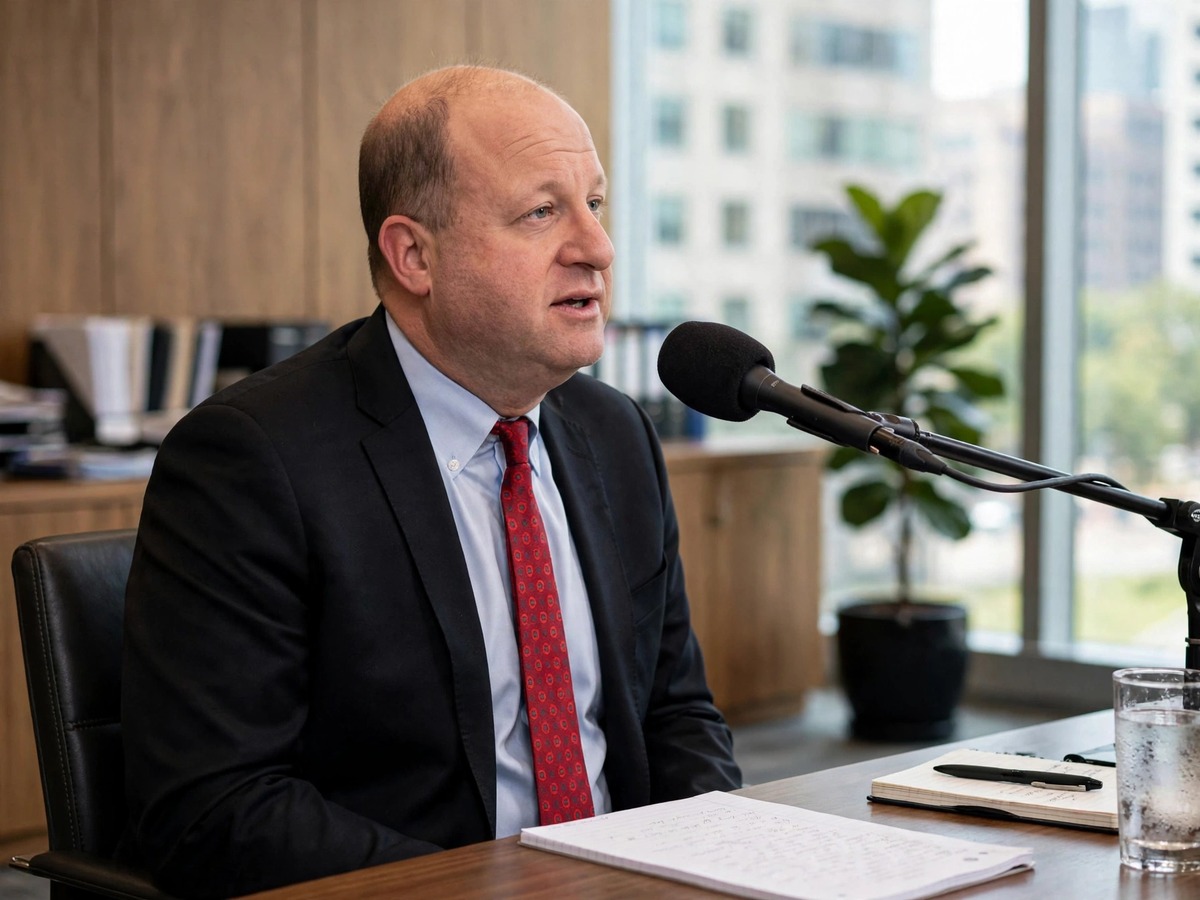
Colorado Gov. Jared Polis is proposing to end the child coverage portion of Cover All Coloradans after the program’s cost reportedly reached seven times the state’s estimate.
Polis signed the program in 2022. It uses state funds to provide health care to children and pregnant women who are in the country without legal status, according to the report. His new budget calls the arrangement unsustainable and would move its money into the Primary Care Fund instead of keeping the existing child program intact.
That proposal turns a policy celebrated by Colorado Democrats and immigration activists into a fight over affordability. It also arrives with a larger Medicaid squeeze: Polis proposed $600 million in state Medicaid cuts and warned that rising costs could push aside other priorities, including education.
The Price Tag Changed the Politics
The reported gap between the estimate and actual spending is what gives the proposal its force. Polis is not merely trimming a benefit at the margins. His plan would replace Cover All Coloradans with a different fund aimed at helping low-income uninsured residents. Under that approach, the comprehensive coverage structure for children would disappear.
Supporters of the program are pushing back. The Colorado Center on Law and Policy called the reductions severe. Adam Fox, deputy director of the Colorado Consumer Health Initiative, argued that Polis was cutting programs that save lives instead of supporting a workable fix. Their response shows why the budget proposal has angered people who once backed the law.
A social-media post included in the report focuses on the same sevenfold cost increase:
Jared Polis is quietly trying to kill the health program he created for kids of illegal immigrants — after costs exploded to 7x what Colorado predicted.
In 2022 he signed Cover All Coloradans, giving coverage to children and pregnant women in the country illegally. Now, in his… pic.twitter.com/c8HTrQfrSN
— GRANDPA’s FREE ADVICE (@GOP_is_Gutless) November 12, 2026
The Free Beacon compared the Colorado dispute with wider fights between establishment Democrats and the party’s socialist wing. In Colorado, that argument is sharpened by an estimated $1.6 billion shortfall and Democratic supermajorities that still must balance competing demands.
🚨💸Illegal Aliens and Democrats Bankrupt Medicaid💸🚨
Amendment 87 Revenue Projections: Voters unfortunately approved Amendment 87, establishing a graduated income tax projected to generate $2 billion to $2.7 billion in its first year for healthcare, K-12 education, higher… pic.twitter.com/RLRszI65BH
— Adams County, CO GOP (@Adams_GOP) November 13, 2026
The state is also fighting over TABOR, the constitutional tax-growth limit. The report says lawmakers have used the word "fees" for charges critics say function like taxes, including road and bridge payments. Those details explain why a health program’s price has become part of a larger argument over how Colorado raises and spends money.
This is literally insane
Colorado resident says their Democrat Governor Jared Polis is lying when he says their taxes are low, she says the real taxation comes from their “fees”
She paid her vehicle registration
Amount: $331.59 per year but then come the fees:
– Age of… pic.twitter.com/FETwPxzz8t
— Wall Street Apes (@WallStreetApes) April 21, 2026
For national advocates of Medicare-for-all, Colorado’s fight creates an uncomfortable example: a state-backed coverage expansion is being pulled back by the Democratic governor who launched it because its expense outpaced the forecast.
Why It Matters
This matters because the dispute is not simply about moving money between state accounts. It tests whether a promised expansion of public coverage can remain politically durable after actual costs exceed projections. Children and pregnant women who depend on the existing arrangement could face a different route to care, while taxpayers and other state priorities compete for the same resources. Polis’s explanation puts Medicaid growth, education, and health access in one conflict: protecting one commitment may mean squeezing another. That makes the proposal a direct test of priorities, not just a technical budget adjustment.
The political stakes are equally clear. The measure was celebrated by Democrats and immigration activists when it began, yet the proposed pullback has drawn criticism from organizations that want the coverage preserved. Colorado’s shortfall and debate over tax limits add pressure, but finding new money would not erase the question of whether the original promise was priced realistically. Lawmakers still have to decide whether to accept the replacement fund, provide money elsewhere, or defend the existing plan. For now, the governor who created the program is trying to reduce it after its cost far exceeded expectations.
Source: The Liberty Daily