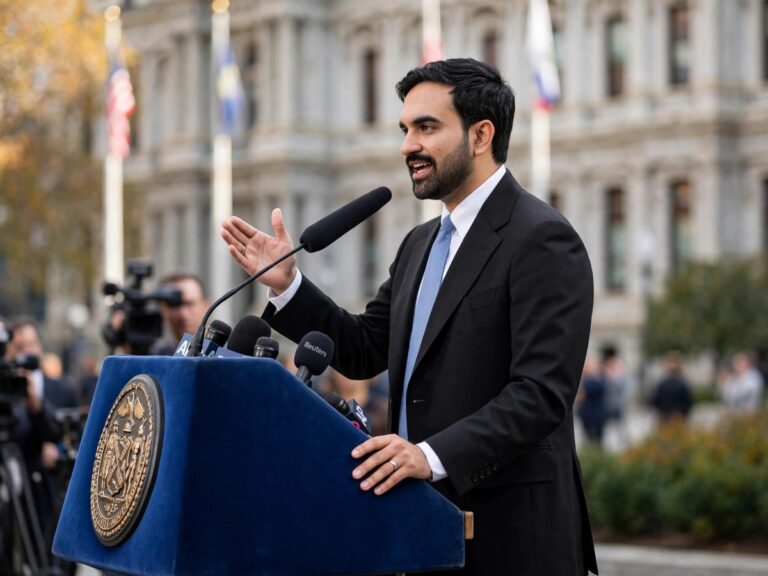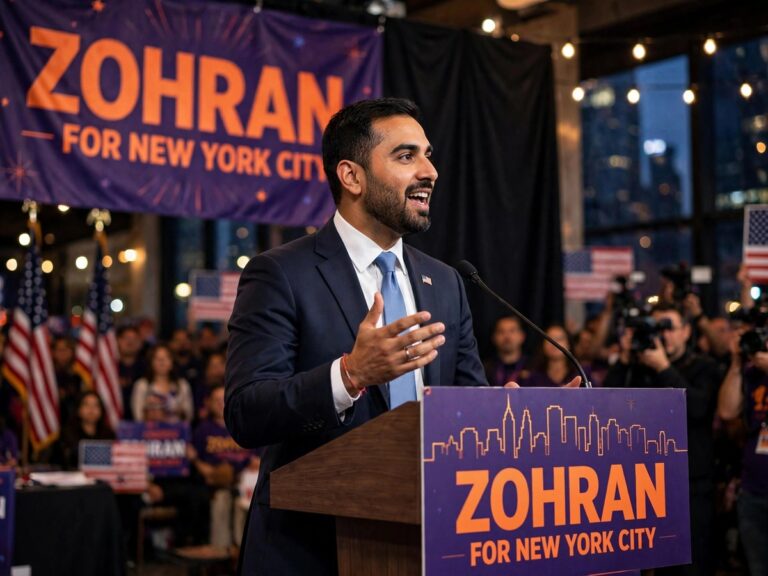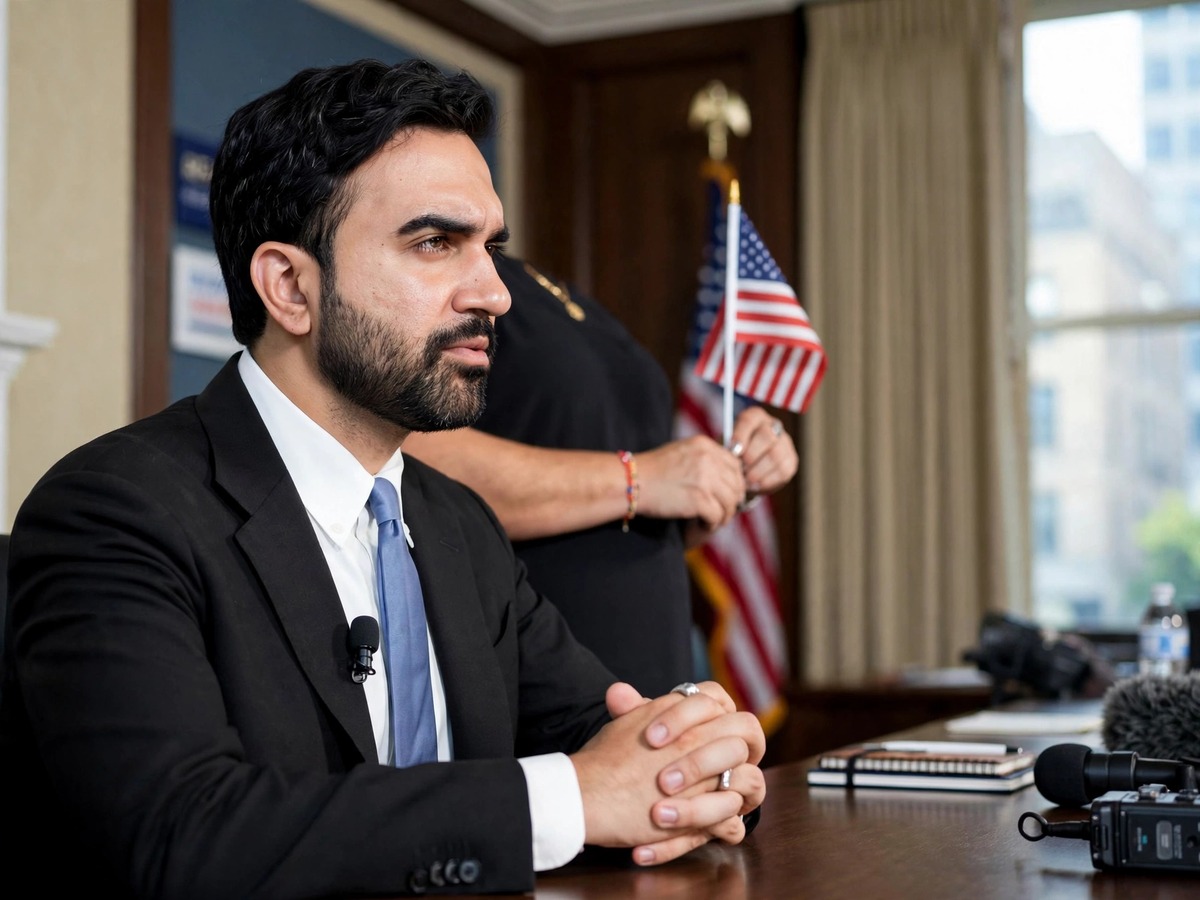
A New York City Council proposal would prohibit restaurants from boiling live lobsters, pulling Mayor Zohran Mamdani’s administration into a fresh fight over city regulation.
The measure would cover living crustaceans broadly, including lobsters and crabs. A first violation would result in a warning, while each later lobster boiled alive could bring a $100 fine. Restaurants could still serve lobster, but the animal would have to be killed another way before cooking.
Bronx Councilman Oswald Feliz and Manhattan Councilman Harvey Epstein are sponsoring the bill. They say the concern is whether lobsters experience pain, turning a question about animal welfare into a battle over kitchen rules and government reach.
Angelo Vivolo, a retired New York Italian restaurant figure, called the proposal ‘nuts.’ He said restaurant owners already face a long list of regulations and warned that this kind of rule could invite more government control over what kitchens may do.
Zach Erdem, a Hamptons chef, said he might abandon plans for a Manhattan restaurant if the proposal advances. He pointed to rent, food costs, labor expenses, and taxes, then questioned why an industry under pressure should also have to worry about whether its cooking method hurts a lobster.
Erdem said he loves New York but sees a serious problem when politicians appear more concerned with lobsters than with people trying to make a living. His warning was blunt: the proposal may protect lobsters while leaving restaurants feeling cooked.
The dispute also lands alongside other plans associated with Mamdani. Those plans include spending millions on five city-run grocery stores that would not be operational until 2029 and would offer products at a 30 percent discount with taxpayer support. When asked how the financial plan would work, Mamdani did not provide a clear answer, according to the report.
Mamdani has also announced plans to disband the NYPD’s Strategic Response Group. A proposed civilian replacement, the Community Dialogue and De-escalation Division, would be unarmed, unable to make arrests, supported by NYPD personnel when needed, and unavailable until 2028. The source also says the new approach would not use tactics such as kettling and pepper spray. Mamdani has separately said he wants to close Rikers Island.
Online reactions mocked the lobster proposal as an answer to affordability concerns and criticized what commenters viewed as misplaced priorities.
They care more about lobsters than unborn children.
DEI: Don't….Elect…Idiots https://t.co/meKZYmaEAT— Steve McLaughlin (@SteveMcNY) November 20, 2026
This will definitely address affordability. https://t.co/PwsspvBZLK
— Jean (@queens_parents) November 20, 2026
Why It Matters
The dispute matters because it puts a visible example of city regulation inside a broader argument about governing priorities. For restaurant owners, the question is not only what happens to a lobster. It is whether another rule will add cost, paperwork, and uncertainty to businesses already dealing with high rent, food expenses, labor costs, taxes, and other regulations. For diners, the practical concern is whether a familiar menu item can stay available without changing kitchen procedures or making the final meal more expensive.
Critics can use the proposal as evidence for what they describe as an expanding nanny state. The lawmakers behind it are focused on whether crustaceans feel pain. That clash explains why a narrow animal welfare question has spread beyond seafood kitchens. It becomes a test of how far city officials should reach into private businesses and how competing concerns should be ranked when owners are already warning about their ability to operate.
The open questions are practical and political. Will the council move the bill forward, and what method would restaurants be expected to use instead? Would the rule stay limited to lobsters and other crustaceans, or encourage additional controls over food preparation? Those answers could determine whether the idea remains a symbolic proposal or becomes another operating concern for New York restaurants. The online reaction also shows that the bill has become a proxy fight over affordability, regulation, and City Hall’s priorities.
For now, the measure remains a proposal, not an enacted citywide rule. Its passage would leave lobster on menus, but it would make live boiling subject to a warning followed by a $100 penalty.
Source: redstate.com