
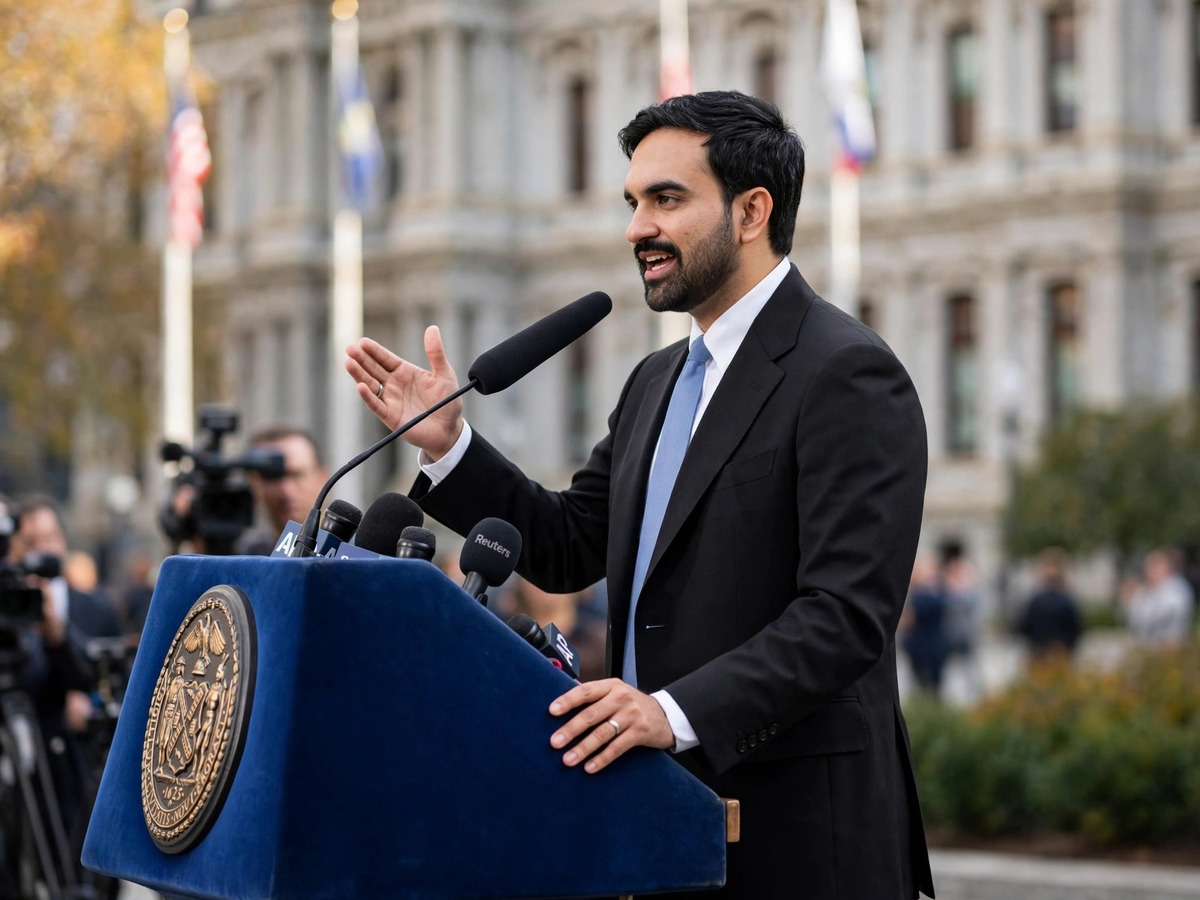
Zohran Mamdani’s rent freeze is now in effect, yet Manhattan’s median asking rent has reached an all-time high of $5,375 a month, rising 8.3 percent from the same period last year.
Listings fell 16 percent during that same period. The result is a brutal squeeze for apartment hunters: fewer choices are available while the middle asking price keeps climbing. The figures do not prove the freeze caused the increase, but they put Mamdani’s affordability promise next to a market that looks anything but affordable.
Because this is a median, half of Manhattan’s listed rents are above $5,375. It is not the average, but it still captures how expensive the market has become for people trying to find housing now.
End Wokeness highlighted the figures in a social media post.
JUST IN: Manhattan's median asking rent hit yet another all-time high of $5,375/month, surging 8.3% YoY
Listings fell by 16% in that same period pic.twitter.com/dpp1g1hFTS
— End Wokeness (@EndWokeness) November 16, 2026
The article also described studio listings asking $3,000 or more, sometimes without a kitchen or private bathroom. Those examples make the record median more tangible, especially for renters searching for an affordable place in Manhattan.
The rent freeze itself applies to a narrower group than the entire rental market. In June, Mamdani announced a zero percent freeze for one-year and two-year leases covering nearly one million rent-stabilized apartments. It took effect for leases beginning October 1, 2026, and is scheduled to run through September 30, 2027.
That timing has given critics fresh ammunition. One post contrasted the promise of affordability with rising costs:
Communist promises: Everything will be free! Life is about to get better!
Communist reality: There is no free lunch, so everything is getting more expensive. Life is about to get worse.
— John Hawkins (@johnhawkinsrwn) November 16, 2026
Another mocked the gap between political promises and what renters are paying:
It’s all that affordability. Whatever are all the part-time fast food employees in Manhattan going to do to pay their $5300 rent and feed their growing families? Where’s Bernie?
— T’om (@mwjrules) November 16, 2026
A third argued that the city’s approach could reduce private ownership and leave government-managed repairs moving slowly:
$5,375 a month with listings down 16%. Every rent freeze promise in New York ends the same way: fewer apartments and higher prices.
— ThePatriot (@ThePatriotTea) November 16, 2026
Joe Concha focused on the political side, asking why the mayor is not pressed about the figures during his interviews:
It’s weird that during all the fawning interviews that the mayor does… He’s never asked about this. https://t.co/skWEA9XOtt
— Joe Concha (@JoeConchaTV) November 16, 2026
Derrick Evans stressed what the median means, while another post predicted that supporters of the policy would blame Trump and capitalism if the results remain unpopular:
$5,375 per month is the MEDIAN rent?
WTF? That is absolutely insane to think about that. https://t.co/v7ToZuA1i0
— Derrick Evans (@DerrickEvans4WV) November 16, 2026
The worst thing about the average Democrat voter is that no matter how many times they get what they voted for, they will find a way to blame it on Trump and vote for someone even dumber next time https://t.co/fZPbzVToXN
— Whale Psychiatrist ™️ (@k_ovfefe2) November 16, 2026
Why It Matters
The significance of this clash is that it places two renter experiences side by side. Households in rent-stabilized apartments may receive protection from an increase during the covered period, while people searching for an available home are facing fewer listings and a record asking price. That contrast makes the policy vulnerable to competing judgments. Someone who already has a regulated lease may view stability as meaningful relief. Someone trying to enter the market may see the policy as disconnected from the immediate cost of finding a home. The people most exposed are renters without a stabilized unit who must compete in the open market.
The figures also leave cause and effect unresolved. The source places the fall in listings and rise in asking rents inside the broader debate over rent controls, but timing alone cannot show that one produced the other. The freeze can be defended as protection for covered tenants, while critics focus on everyone still searching. Both measures matter because affordability means more than holding down an existing lease. It also means being able to locate a home at a price a household can manage. For Mamdani, the gap between those experiences is the central test of whether the policy delivers what its supporters promise.
Source: Townhall