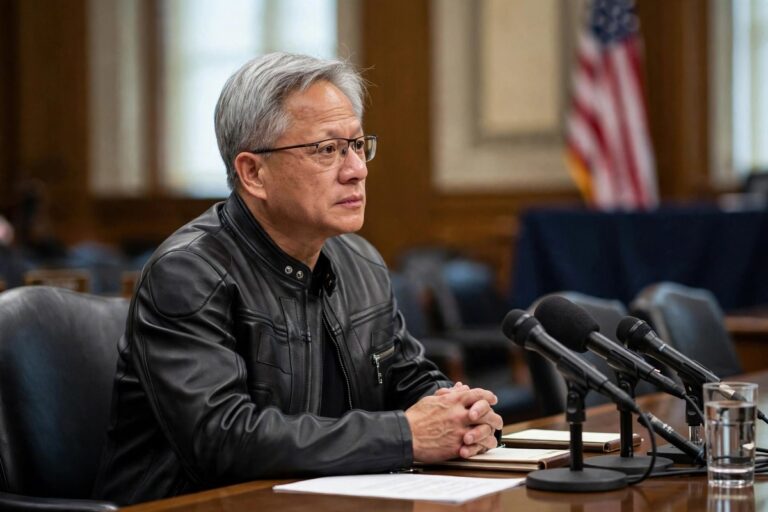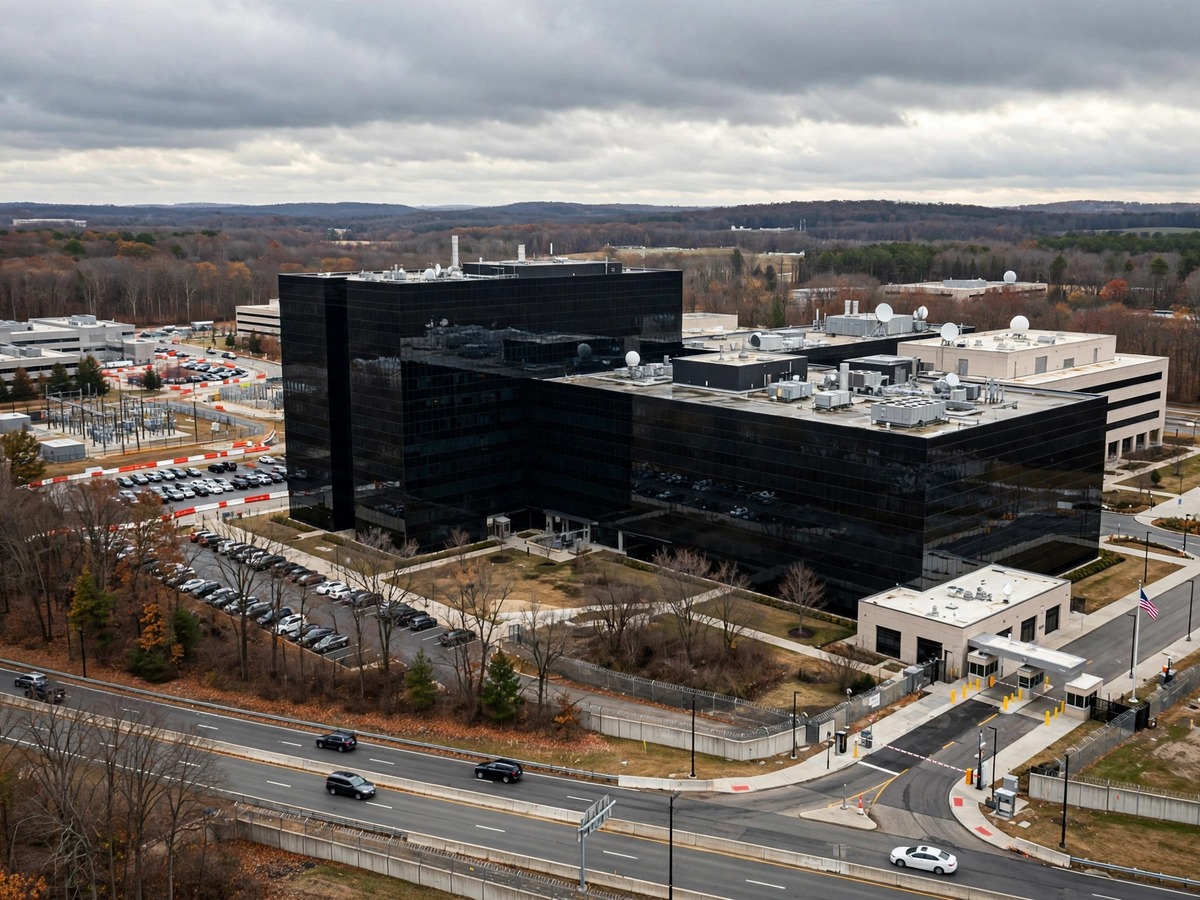
Congress is probing at least eleven suicides among employees of the National Security Agency and U.S. Cyber Command after five employees died within roughly one month, a run military officials classified as a suicide cluster, according to The Liberty Daily’s report.
The deaths involved military personnel, civilian workers and contractors over the past year. The latest reported death came in September. The scrutiny now reaches Congress and the White House, while officials have not concluded that workplace pressure caused the deaths.
Congressional committees overseeing military and intelligence operations requested briefings from both agencies about the deaths and workload stress. NSA deputy director Tim Kosiba also briefed White House officials. The report said the NSA did not respond to a request for comment, and Cyber Command did not respond after the Pentagon directed questions there.
The cluster occurred from early June through early July as the United States moved from a fragile ceasefire with Iran back into fighting, according to CENTCOM. The timing adds urgency, but it does not establish that the conflict or the agencies’ workload caused any suicide.
The report also said the agencies introduced limits on working hours as operational demands mounted. A location breakdown covering ten deaths placed nine at Fort Meade, Maryland, and one in Georgia.
Harry Coker Jr., a former senior NSA and CIA executive, described the operational pace as overwhelming. He argued that cyber work can be physically removed from combat while still creating serious intellectual and emotional strain. That distinction has become central to the debate.
Agency leaders have said the cases involved different motives. Technical Sergeant Kevin Stallings, who died June 11, cited debt, divorce, an earlier suicide in his unit and the death of his dog, Scud. In a note obtained by The Japan Times, he apologized to military leaders and said they could not have prevented his death, adding, “This is something I would never reach out for.”
Cyber Command and NSA leader Gen. Joshua Rudd had already requested $11 million in April for personnel mental health, warning of burnout and force degradation. Two lawmakers pressed for approval in October after the suicides drew wider attention.
Why It Matters
This matters because the investigation must hold two ideas at once: the deaths demand an urgent response, but the available information does not show one common cause. Workload can be examined without dismissing the personal and financial pressures described in the report. That approach affects military personnel, civilian employees and contractors alike. It also matters to families and colleagues who need an honest account of what happened, rather than a conclusion reached before the evidence is clear.
The bigger question is whether agencies built for intelligence and cyber operations understand the emotional burden of work carried out away from a physical battlefield. The requested mental health support and working hour limits show that leaders recognize a problem, but they do not answer whether those measures will be approved, sustained or effective. Congress is also left asking whether the cases share any institutional pattern and how future overseas demands could affect the people assigned to meet them.
Democratic Maryland Rep. Sarah Elfreth said lawmakers know a great deal about warfare but far less about how electronic warfare affects the psyche and mental health. That gap is now at the center of the congressional review.
Source: The Liberty Daily