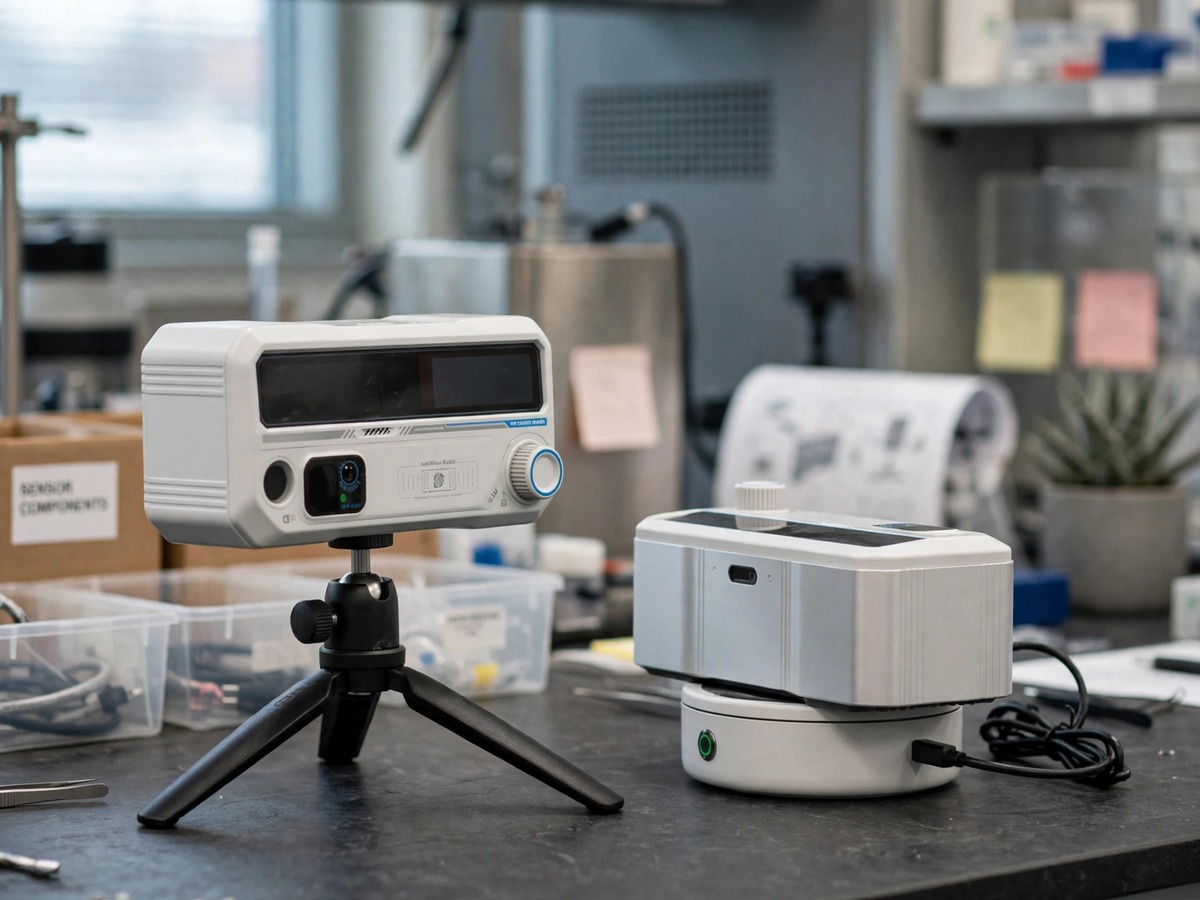
A Chinese startup says its $1,000 AI-powered laser can track mosquitoes in flight and knock them from the air.
Photon Matrix, a company in Changzhou, reports 5,000 prepaid orders for its Laser Mosquito Air Defense System. It is preparing to scale up production and pursuing regulatory approval in China, Europe, and the United States. The New York Times has reported on the project.
The system adapts lidar, a sensing technology used in autonomous vehicles, to watch a selected area for tiny moving objects. It releases 100,000 low-intensity laser pulses each second to locate insects. When its software identifies a mosquito, a more powerful beam is directed toward the insect’s wings.
In a recent demonstration, mosquitoes fell one after another, with brief colored flashes visible as the system operated. The beam damages their ability to fly, and it may not kill them at once. Wang Chuan, the company’s founder, said some mosquitoes disabled this way may remain alive for days.
That dramatic display also exposes the machine’s central problem: safety. The device relies on a Class 4 laser, which can cause serious eye injuries almost immediately. To limit that risk, Photon Matrix fitted it with cameras and sensors that look for people, animals, and potentially dangerous reflections. The system is designed to block the beam when those hazards are detected.
Owners must complete a mandatory safety quiz before fingerprint authentication unlocks the device. That extra barrier reflects the unusual risk involved in putting a powerful laser into a consumer product.
According to Wang, engineers abandoned lower-powered lasers after finding them unreliable. They moved to extremely short pulses from a stronger laser, trying to maintain performance while reducing the chance of unintended exposure.
Although mosquitoes are the first target, the underlying technology may have a wider use. It could someday support systems that identify and intercept small drones, though that remains a possible application rather than a reported function of the household model.
Photon Matrix is not the first group to pursue this idea. In 2010, Intellectual Ventures showed a related mosquito-laser system, but it never became a commercial product. The startup is betting that advances in AI, sensing equipment, and manufacturing can take the concept further.
Why It Matters
This story matters because it turns a familiar household nuisance into a direct test of whether consumer AI can make split-second decisions around people and animals. The appeal is obvious, but so is the tradeoff: the same beam that makes the device useful could cause severe eye harm if its safeguards fail. That puts the recognition system, automatic shutoff features, and required user checks at the center of the product’s credibility. Buyers, bystanders, and animals in the monitored area all have a stake in whether those protections work as promised.
The larger question is whether advances in AI, sensors, and manufacturing can move this idea beyond an impressive demonstration. Possible drone-interception uses give the technology a wider significance, even though that is presented as a future application rather than a current feature. The earlier effort by Intellectual Ventures also shows that an appealing concept can stall before it reaches consumers. Photon Matrix still has to secure approvals, manage hazardous reflections, demonstrate reliable performance, and persuade users that a safety quiz and fingerprint lock are reasonable parts of household pest control.
Source: The Liberty Daily