Trump’s Navy pick Hung Cao turned a tense Senate confirmation hearing into a powerful moment when he answered Democratic questioning with the story of losing his homeland as a child.
Cao is serving as acting secretary of the Navy, and President Trump chose him to hold the position permanently. Before lawmakers began pressing him, Cao credited Jesus Christ and described being taken out of Vietnam shortly before Saigon fell.
That opening gave the hearing stakes beyond ceremony. Cao said the country he once called home disappeared, and his life since then has been shaped by service to another country. The questions soon moved from that personal history to sexual misconduct, the war with Iran, naval resources, and whether Cao would act independently.
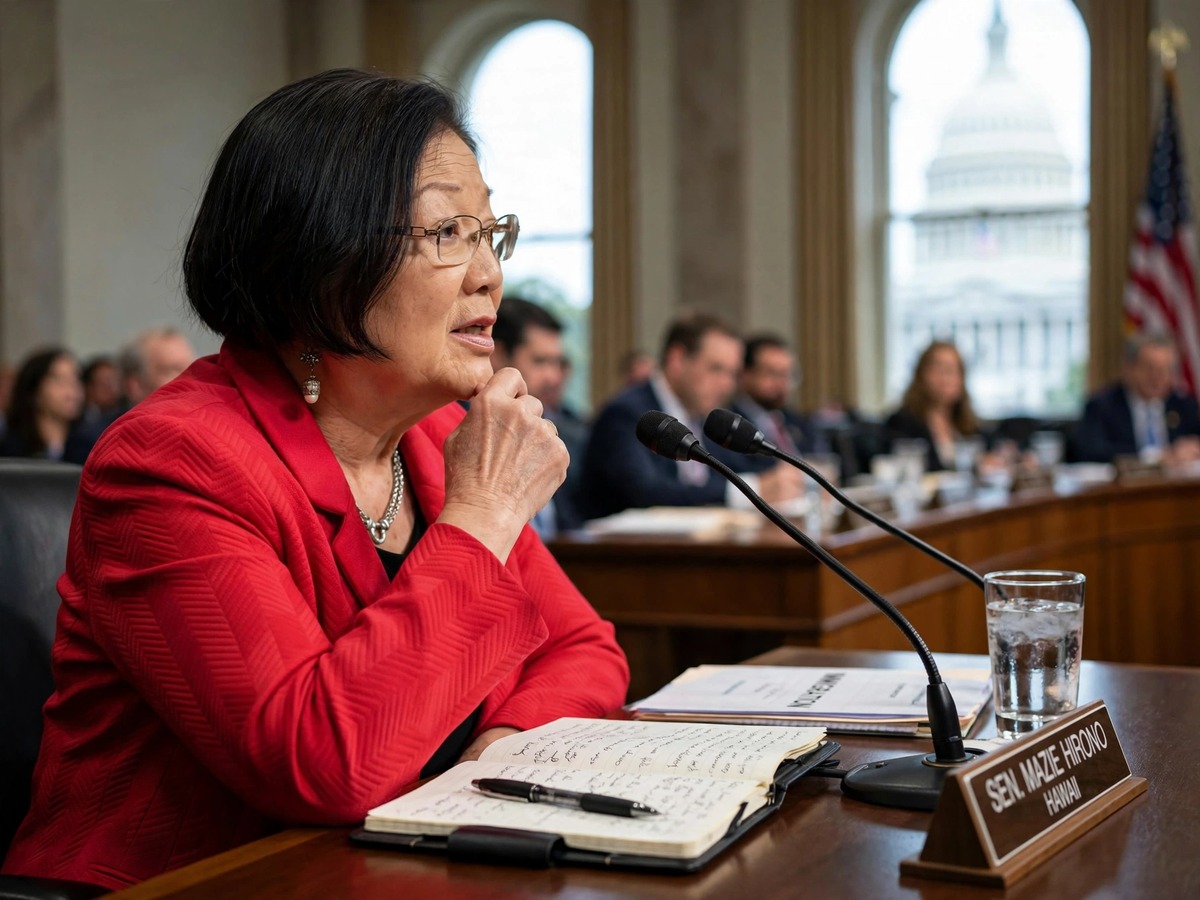
Sen. Mazie Hirono began by asking whether Cao had ever requested unwanted sexual favors or committed verbal or physical harassment or sexual assault. The questions are part of Hirono’s routine for nominees, but they came immediately after Cao’s account of becoming a refugee.
Cao did not hesitate. He answered, “I have NOT.”
Acting Secretary of the Navy Hung Cao at his confirmation hearing:
"I would like to give praise and glory to my Lord and Savior Jesus Christ, without whom I would not be here today. You can see God's fingerprints throughout my life bringing me to this moment.
He plucked me out… pic.twitter.com/mSjWnurGjH
— Rapid Response 47 (@RapidResponse47) November 17, 2026
That exchange could have remained a standard confirmation hearing screening. Instead, Hirono pressed Cao about the war with Iran and the pressure it was placing on naval resources.
Cao acknowledged that the conflict was straining the Navy. Then he explained why the issue carried unusual weight for him. He reminded Hirono that he grew up after losing his country and living without a flag to represent him. He said he would fight every day to keep his children and grandchildren from experiencing the same national loss.
Hirono’s sigh after that answer sharpened the contrast between a technical question about fleet capacity and Cao’s personal reason for caring about national security. His response did not avoid the readiness issue. It connected that issue to the consequence he feared most.
Hung Cao tells Sen. Hirono the war on Iran "is stressing our naval resources":
"I've grown up where I lost a country, where I didn't have a flag to stand under… I will fight every single day to keep that from happening to… my children." pic.twitter.com/cu2QN3dYiW
— Furkan Gözükara (@FurkanGozukara) November 17, 2026
Hirono’s earlier line of questioning also produced a direct answer from the nominee.
🚨 NOW: Sen. Mazie Hirono (D) asks Trump Navy Secretary nominee Hung Cao is he's a S*XUAL ASSAULTER during his confirmation hearing
Q: "Have you ever made unwanted requests for s*xual favors or committed any verbal or physical harassment or assault of a s*xual nature?"
CAO: "I… pic.twitter.com/EQdBRh45FW
— Eric Daugherty (@EricLDaugh) November 17, 2026
Sen. Tammy Duckworth then delivered the hearing’s sharpest judgment. She asked whether Cao had told the defense secretary that the war was unsustainable. When he began explaining that the secretary knew his position on readiness, Duckworth cut him off and said she could not support him because he would be “another yes man.”
DUCKWORTH: Did you talk to the secretary of defense and tell him this war is unsustainable?
HUNG CAO: The secretary of war knows my stance on our readines—
DUCKWORTH: Okay. I can't vote for you, because you're going to be another yes man pic.twitter.com/GIY9czZBmU
— Aaron Rupar (@atrupar) November 17, 2026
That label was especially striking in light of Cao’s record. The Vietnamese refugee served more than thirty years in the Navy, deployed to Iraq, Afghanistan, and Somalia, and retired as a captain. That history does not settle every dispute over Iran or readiness, but it gives his answer a service-based foundation that the phrase “yes man” does not address.
Why It Matters
This hearing matters because a nomination for Navy leadership is not only a test of a résumé or party loyalty. It is also a test of judgment under pressure, especially when naval resources are being strained by war. Cao connected that policy dispute to the memory of losing his homeland. That connection does not answer every question about Iran, readiness, or his independence. It does explain why his response carried more weight than a routine promise to follow orders. The exchange put lived experience beside the senators’ concerns and made the stakes understandable to people watching outside the committee room.
The people affected by this debate include sailors who depend on clear leadership, families who expect the Navy to remain prepared, and lawmakers responsible for deciding whether Cao should receive the permanent post. Hirono and Duckworth raised questions about resources and judgment, but the hearing also left an open question about whether their methods tested those issues effectively. Cao’s answers may strengthen his case, yet confirmation still turns on how senators weigh his record, his view of the war, and his promise to protect future generations from the kind of national loss he remembers.
The senators’ attacks did not erase the central image from the hearing: a Navy captain and refugee answering questions about service after once losing the country he now works to defend. Hirono’s questions gave Cao a chance to answer directly, while Duckworth’s interruption highlighted the record behind his independence. Rather than making him look unprepared, the exchange allowed Cao to present himself as a nominee shaped by faith, military service, and a determination that his children and grandchildren never face the same loss.
Source: redstate.com