
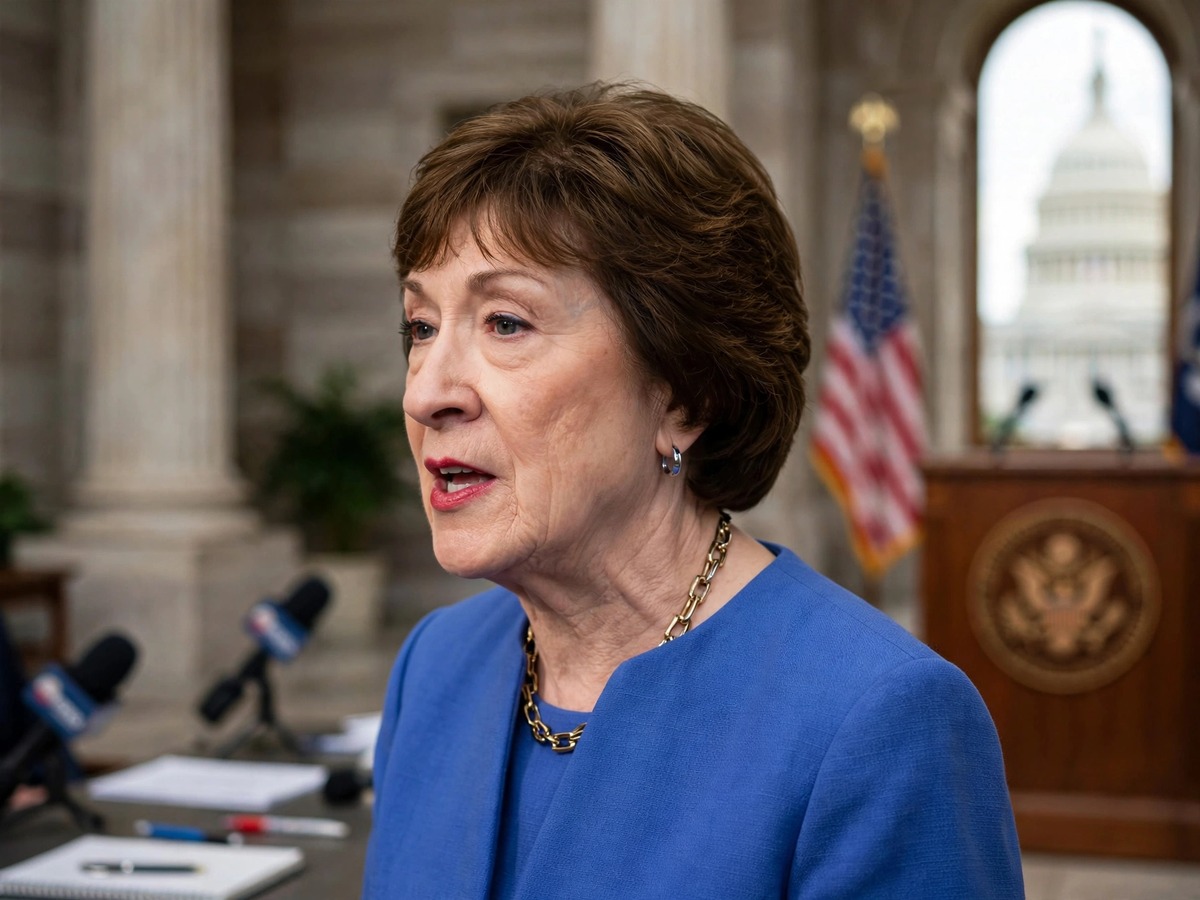
Troy Jackson belched into his microphone while Susan Collins delivered her closing argument in a tense Maine Senate debate, creating the moment that quickly overshadowed the policy fight.
The incident came during the second-to-last debate between Collins, the Republican incumbent, and Jackson, her Democratic challenger, as the general election approached. The candidates clashed over energy costs, immigration, tariffs and campaign finance, but the exchange ended with attention fixed on a sound heard from Jackson’s microphone.
About 33 seconds into Collins’s closing remarks, Jackson can be heard belching. Collins did not stop or acknowledge it. She continued speaking to Maine voters, keeping her focus on the message she had planned to deliver.
That reaction made the contrast sharper. One candidate’s microphone produced a moment that could be replayed instantly, while the other kept moving through her closing statement. The available account does not establish whether Jackson intended to signal displeasure or simply thought the moment was appropriate. The uncertainty has become part of the story.
Steve Guest shared a clip of the exchange on X, describing Jackson’s sound as a burp while Collins spoke. The post helped move the moment beyond the debate room, with the video described as going viral.
GROSS: Troy Jackson burps at 33 seconds in this clip while Sen. Susan Collins talks.
Troy Jackson is a nasty man. pic.twitter.com/tRaCEZCvY9
— Steve Guest (@SteveGuest) October 14, 2026
Why It Matters
Debate conduct matters because voters are not only comparing positions. They are also judging how candidates behave when an exchange becomes tense and how much discipline they show under public scrutiny. A sound captured on a microphone can overwhelm a longer policy discussion because it is immediate, easy to understand and simple to replay. For Collins, continuing without reacting kept the attention on her closing message. For Jackson, the clip created a question about judgment that the recording itself cannot answer.
The stakes are higher because the race is described as close, with Jackson holding a narrow polling advantage while Collins has a history of winning in difficult conditions. That means a memorable debate moment may shape impressions, even though it cannot resolve the larger disagreements over energy, immigration, tariffs or campaign finance. Viewers know what the clip captured, but they do not know Jackson’s intent. That gap leaves room for partisan interpretations while Maine voters weigh the full debate and each candidate’s record.
Polls cited in the source put Jackson ahead by about two points. Still, Collins has a history of defying expectations and winning, so she cannot be counted out even in a difficult environment for Republicans.
The late debate moment came from a brief sound, but the race still turns on the larger questions the candidates argued over. Collins continued her closing argument, while Jackson’s microphone moment gave the closely watched contest an image that could be instantly recognized.
Source: The Gateway Pundit
