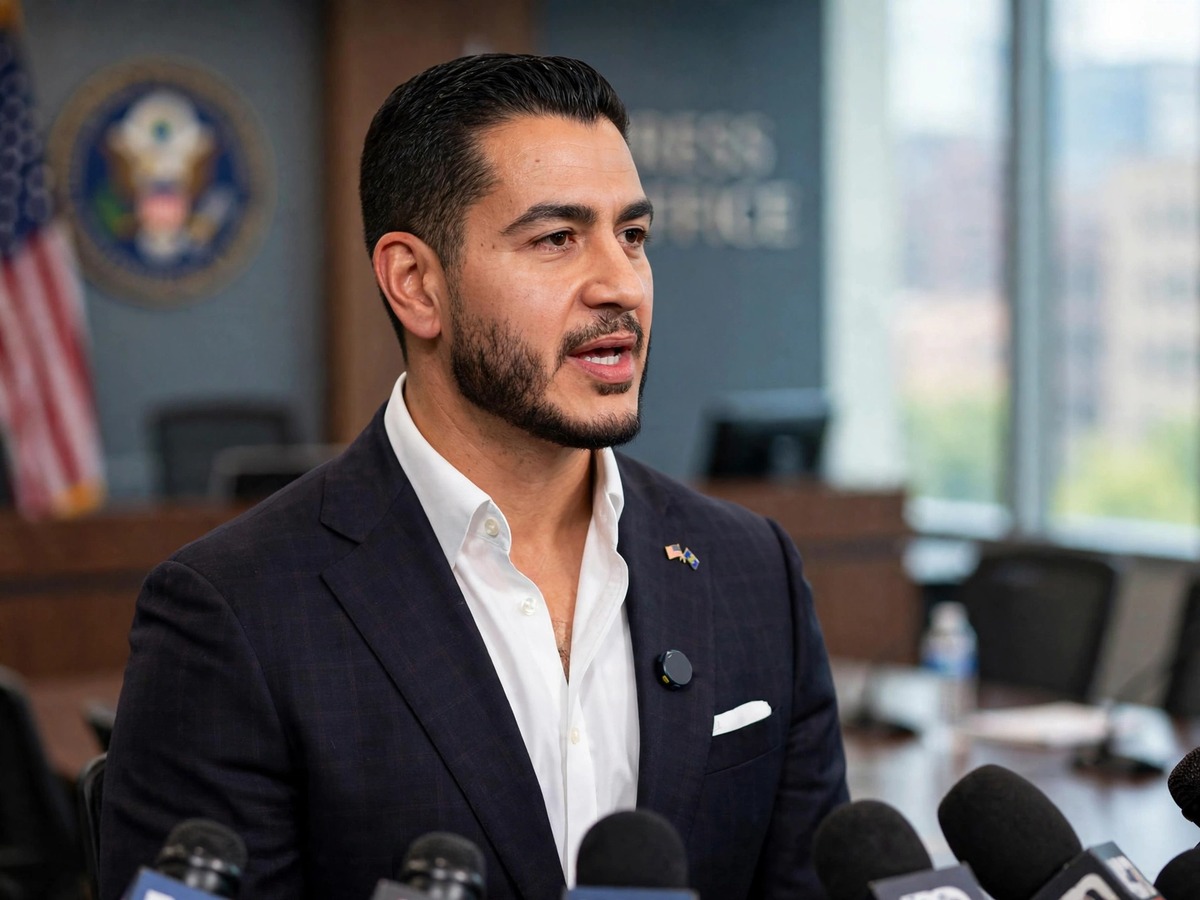
Sen. John Kennedy’s challenge to Abdul El-Sayed’s Medicare for All math sparked an angry online response from the incoming Michigan senator.
Kennedy had argued that the proposal’s financial assumptions did not work. That gave El-Sayed a chance to defend a signature policy before taking office. Instead, his response moved quickly from healthcare policy to personal attacks, including a reference that suggested Kennedy’s name could be tied to the Ku Klux Klan.
The stakes were larger than a social media exchange. El-Sayed had already appealed directly to President Donald Trump about Medicare for All, but Trump had not endorsed the plan. Trump did repost El-Sayed’s TrumpCare message without adding a comment, leaving the incoming senator without the public backing he appeared to be seeking.
Moral of the story: Don’t take healthcare lessons from a guy whose entire political philosophy is about denying you your basic needs (And maybe don’t take math lessons from a guy who spells Kennedy with three Ks).
Takes 5 seconds listening to this guy to understand why Trump is… https://t.co/5VcwTiZkZm
— Dr. Abdul El-Sayed (@AbdulElSayed) November 22, 2026
El-Sayed’s post also accused Kennedy’s political outlook of denying people basic needs and argued that listening to Kennedy made clear why Trump was willing to work across the aisle. The tone made the exchange personal before El-Sayed had even been sworn in. The RedState article argued that attacking a future colleague this way could make it harder to win votes for any proposal.
Trumpcare for All would save the average American thousands of dollars a month. You just care more about protecting Big Insurance and Big Pharma to admit it.
Donald, come get your boy. https://t.co/lDYKPRhFef
— Dr. Abdul El-Sayed (@AbdulElSayed) November 22, 2026
El-Sayed then widened the fight by targeting Sen. Rand Paul, a Republican from Kentucky who has practiced medicine. He claimed his version of TrumpCare would save average Americans thousands of dollars each month, accused Trump of protecting major insurance and drug companies, and urged the president to intervene. Those claims brought another challenge over whether the plan was actually free or simply carried a major cost.
That’s what Obama said about Obamacare. How’d that work out Abdul? pic.twitter.com/t4YjenpEw6 https://t.co/nilC8lq5Td
— MAZE (@mazemoore) November 22, 2026
Replies piled on from there. Some commenters argued that the problems associated with Obamacare undercut El-Sayed’s pitch. Others pointed to long waits in countries with similar systems and said the proposal’s numbers were missing. Those responses did not settle the healthcare debate, but they showed the criticism had moved beyond Kennedy and into a broader argument over cost, access, and credibility.
Marco…. “Socialism sounds benign, but at the core of Democratic Socialism… is Marxism.”
I sure hope the blue half of this Country wakes up before it’s destroyed. pic.twitter.com/VWR5CJ15Qy
— Sue Knows Best (@sues86453) November 21, 2026
Another reply warned about the ideology behind Democratic Socialism, framing the proposal as part of a larger fight over the country’s direction.
Why It Matters
This dispute matters because Medicare for All is not a minor adjustment. It would change the way healthcare is financed, making questions about cost, access, and government responsibility central to the argument. Kennedy’s criticism gives opponents a clear opening to demand workable numbers, while El-Sayed’s response shows how quickly a policy fight can become a personal contest. That matters to voters who want to judge the plan itself, not simply the anger surrounding it.
The clash also highlights the challenge facing an incoming senator who wants sweeping change. El-Sayed needs support from colleagues, yet his public exchanges with Kennedy and Paul have centered on insults, accusations, and competing claims about price rather than a shared route forward. Trump remains an open question in the account because a repost did not amount to an endorsement. The larger test is whether El-Sayed can turn a forceful online message into a proposal that can withstand scrutiny, and whether critics will keep the focus on its costs and access questions instead of the personal feud.
For now, the immediate result is political rather than legislative. El-Sayed has made Medicare for All a prominent part of his opening message, but his clash with Kennedy and Paul has made the plan’s math and path to Senate votes central to the debate. Kennedy’s criticism received a forceful answer, but not an agreement, and Trump has yet to signal that he is joining El-Sayed’s effort.
Source: redstate.com